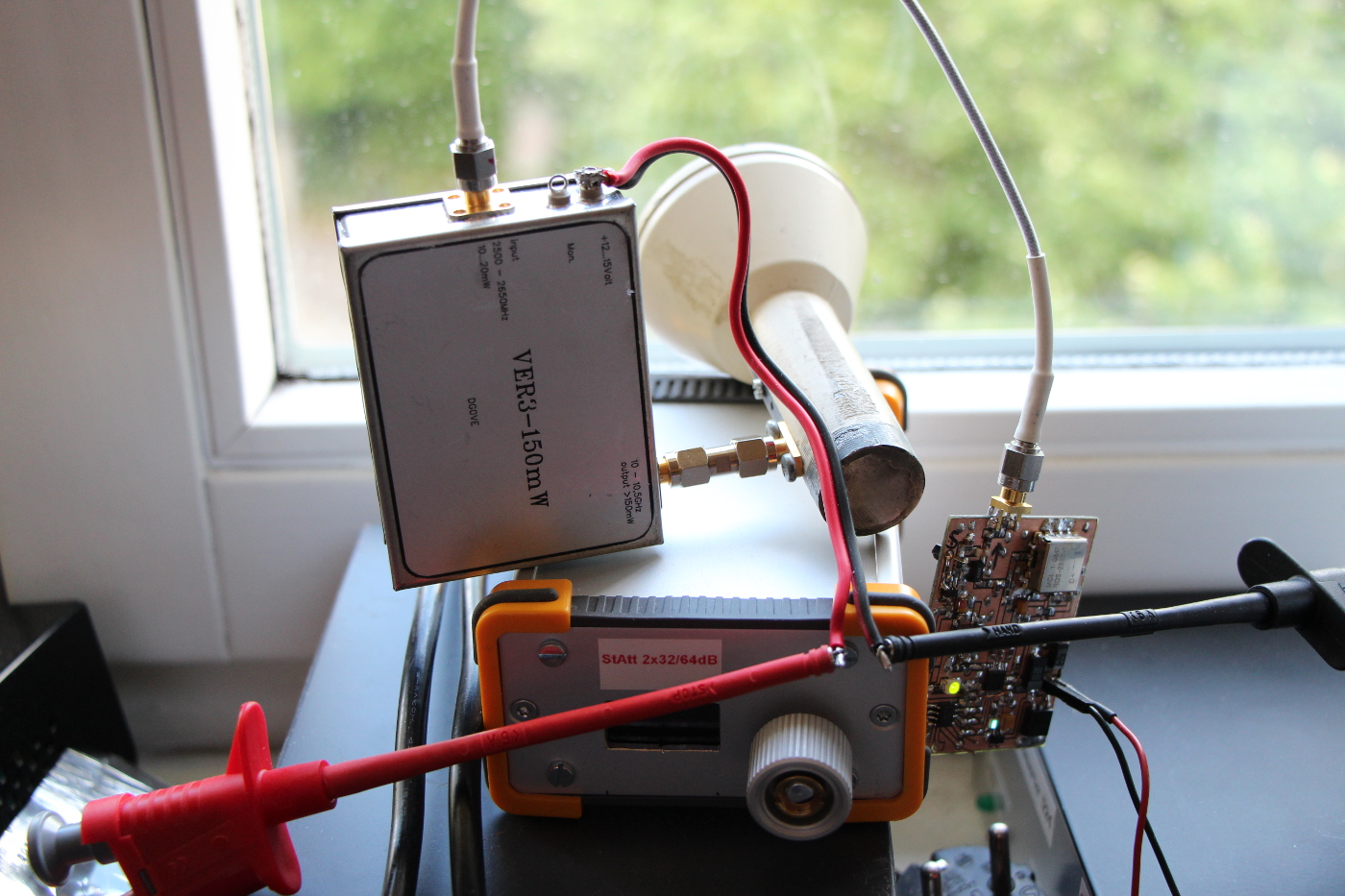
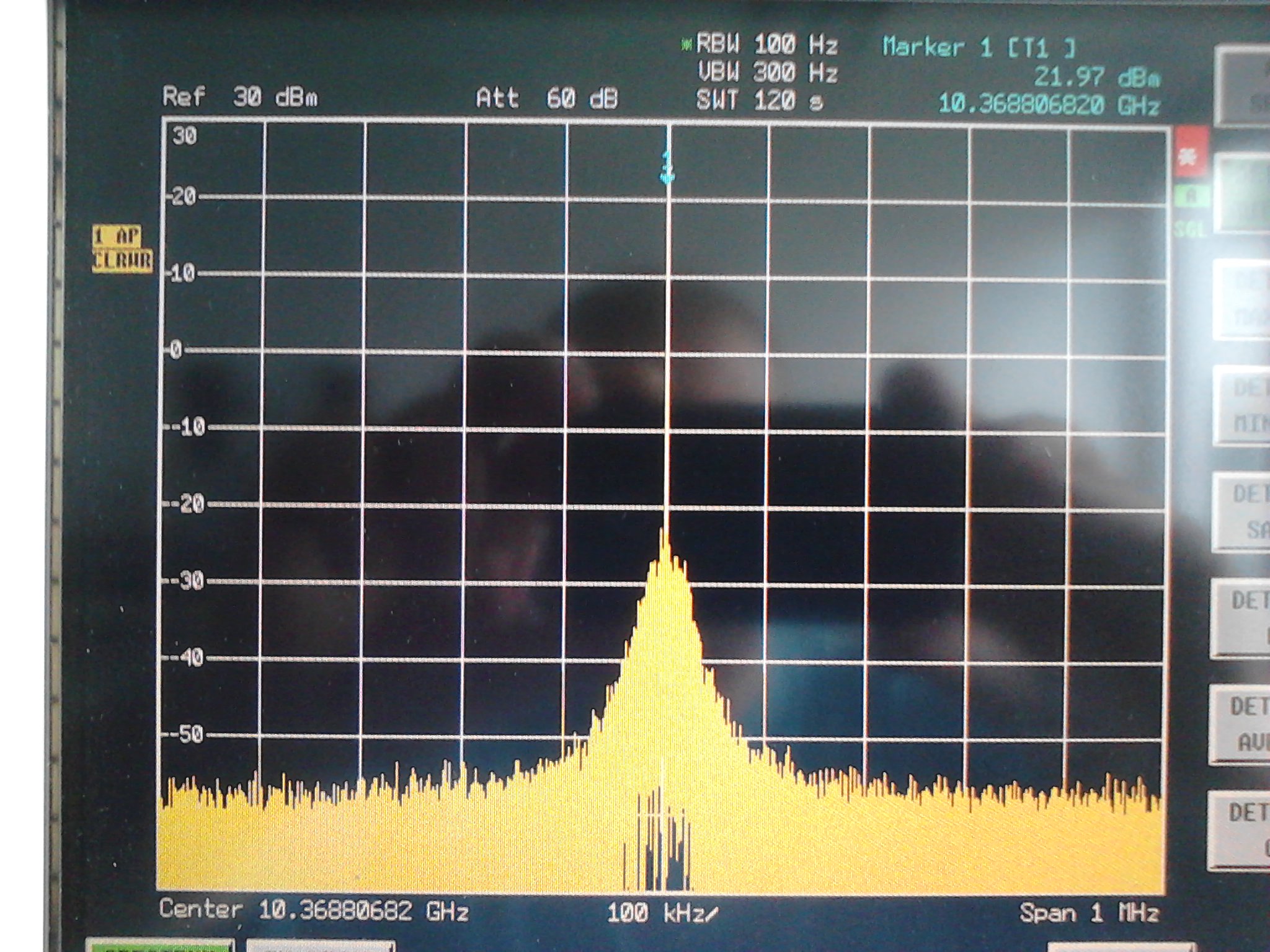
Rainscatter 20150704 July contest on WebSDR

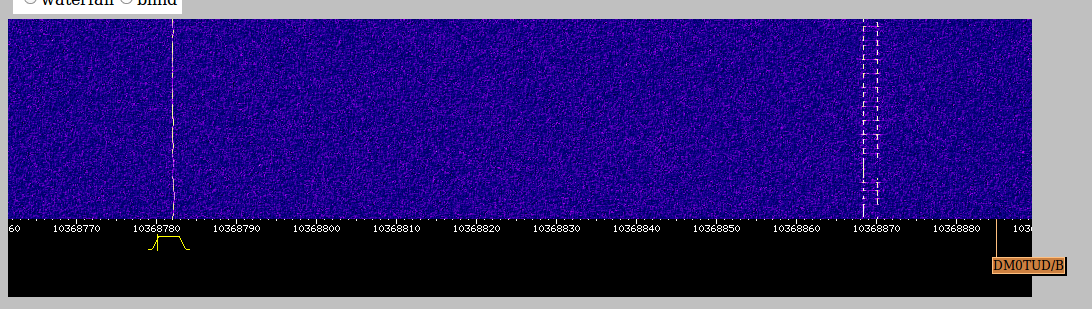
Saturday evening there were strong scatterpoints west and northwest of Berlin. Since the same time there was the July V/U/SHF contest this gave amazing scatters from the contest participants. I listened with our local 10GHz websdr and did some recordings and screenshots. Please see below…

Stations heard were:

DL6NAA, OK2A, SN7L, DL0GTH, DL1SUZ, DL0LN, DJ1LP, DM2EUN, DL9GRE, DF0XX, DK2ZF/P, DL3YEE, DC6UW/P, DC7BQ, DG6ISR, DL0VV, PA0BAT, DK7QX

Screenshot - 04.07.2015 - 21_37_27 Screenshot - 04.07.2015 - 21_23_49 Screenshot - 04.07.2015 - 21_15_19 Screenshot - 04.07.2015 - 21_13_35 Screenshot - 04.07.2015 - 21_03_50 10ghz_Screenshot - 04.07.2015 - 20_58_39

DL6GL fan control

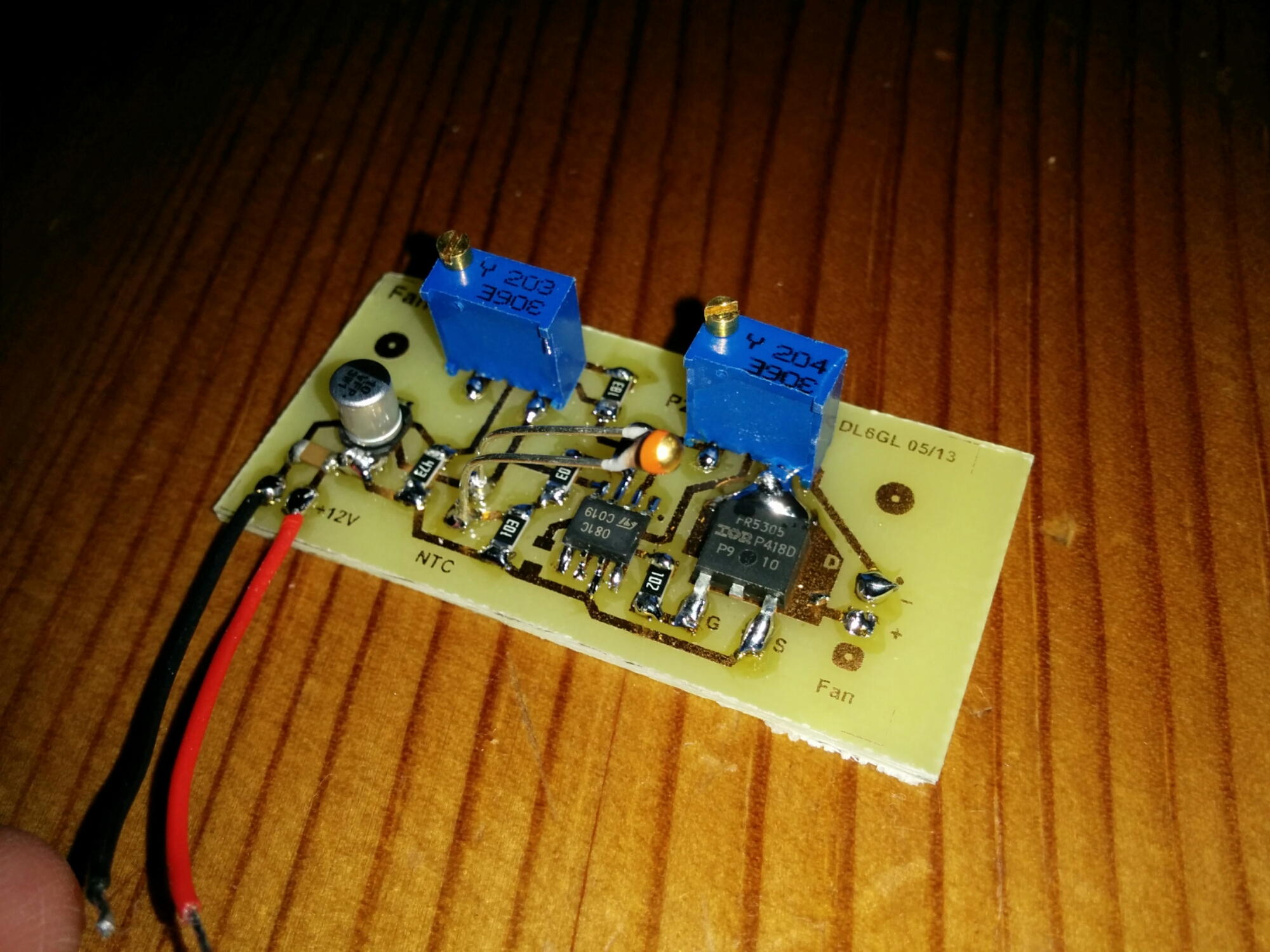
From time to time temperature dependent control of fans is required. At Georg’s DL6GL page i found a nice analog solution. He constructed a circuit with TL081 and NTC. I decided to build 4 pieces. (thanks to DG2DWL for etching the boards)

The switch temperature and the hysteresis can be controlled by the 2 adjustable resistors. In the middle you see the NTC, just soldered for a quick test.

Details you can find on Georg’s page:

http://dl6gl.de/selbstbau-trx/der-tx-signalpfad/temperaturgeregelte-lueftersteuerung

DL6GL fan control

DL6GL fan control – 1 sided PCB

V/U/SHF Contest from JO60OM

23cm setup with HiQSDR…

HiQSDR 23cm

HiQSDR 23cm transverter setup

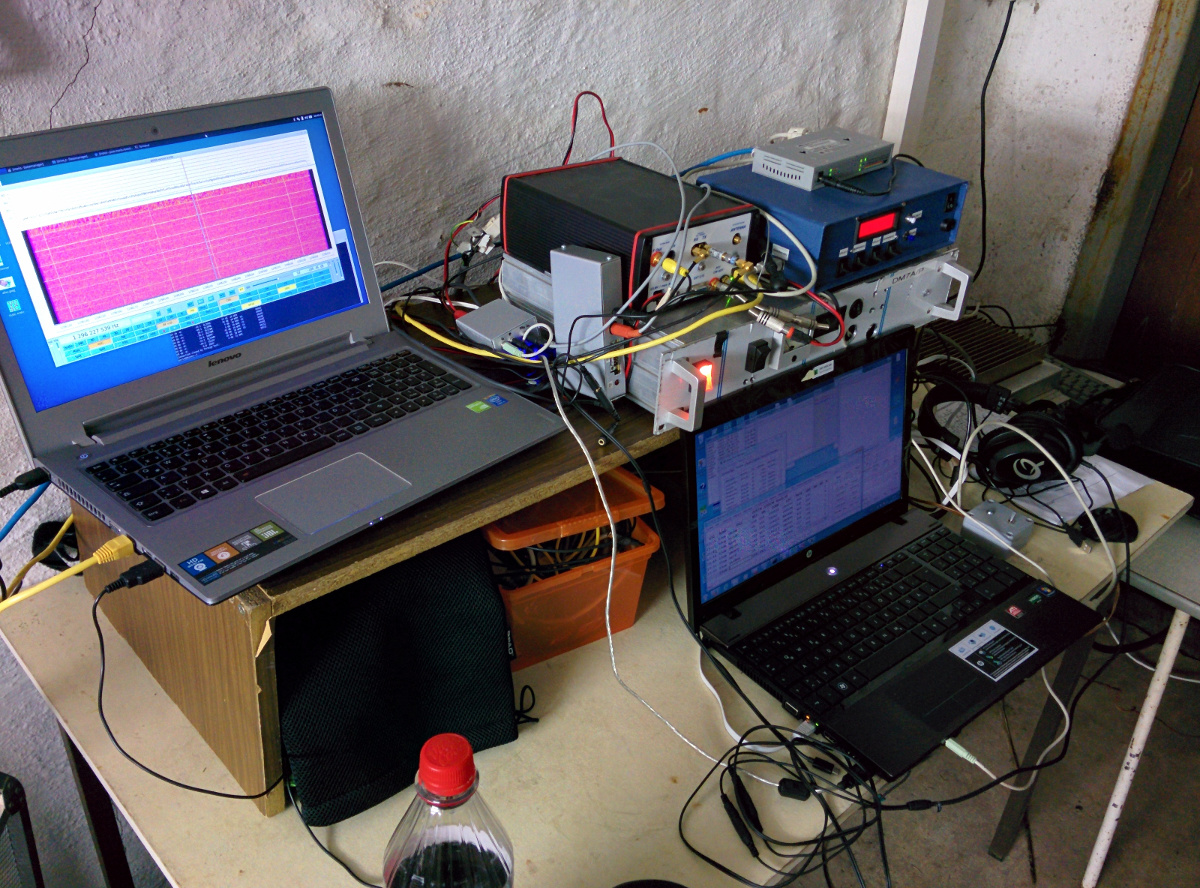
Contest from Hirtstein. Qrv mainly on 23cm. Setup was composed new. The old 10m-23cm TRV, 2x100W PA, 1.5m dish, backside Quados-8. Changed the Transceiver to my HiQSDR. Seeing the complete Band at once is pretty nice. CW was done completely by keyboard out of VUSC. SSB voicekeyer also worked via a small audio switchbox made for that purpose. Problems upfront were dynamic microphone headsets not working properly with the soundcard input. In addition Murphy made my linear powersupply fail during testing the equipment which lead to a damage of the transverter. Luckily it was not too terrible ;)

DARC 10m Contest

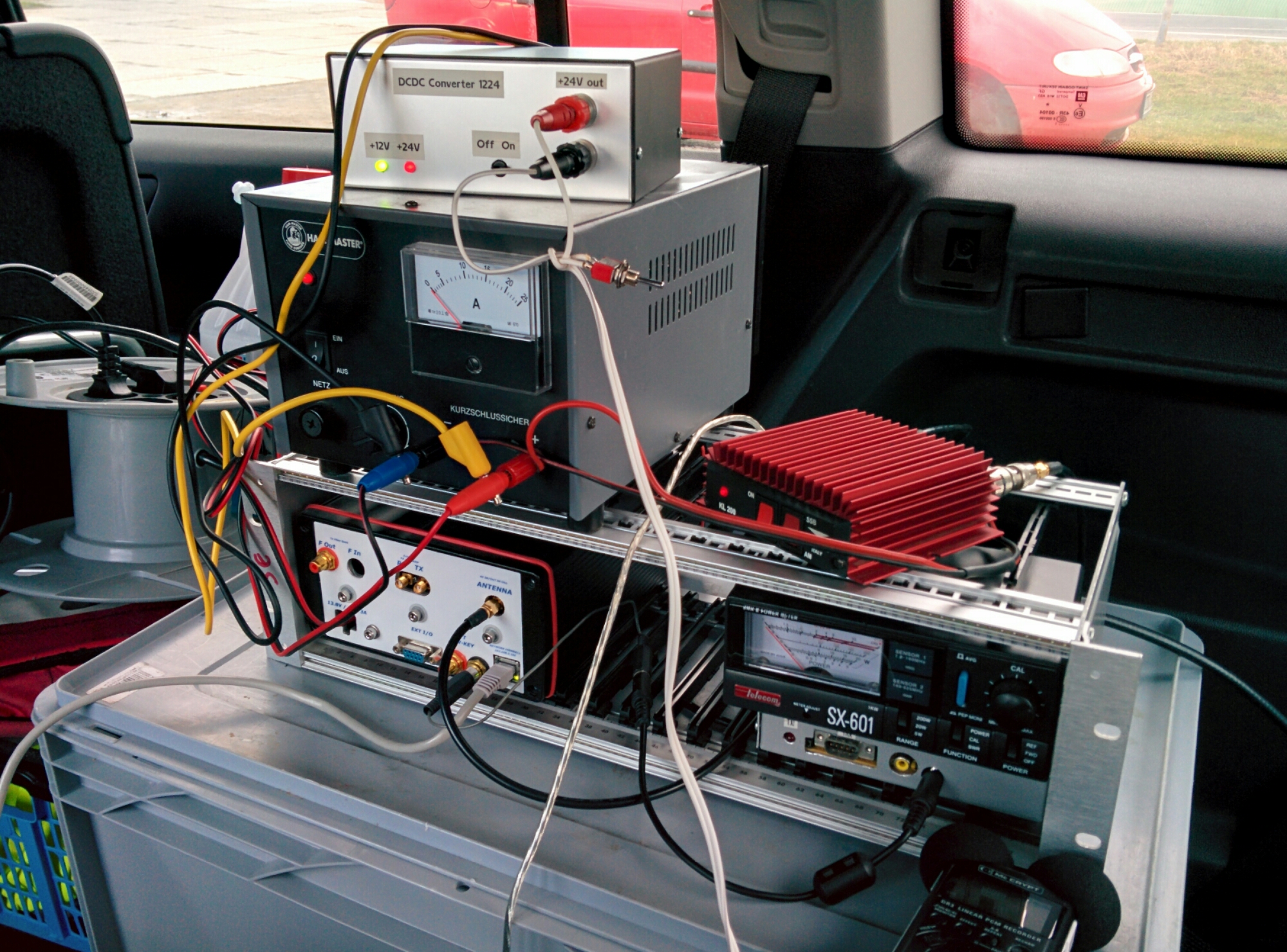
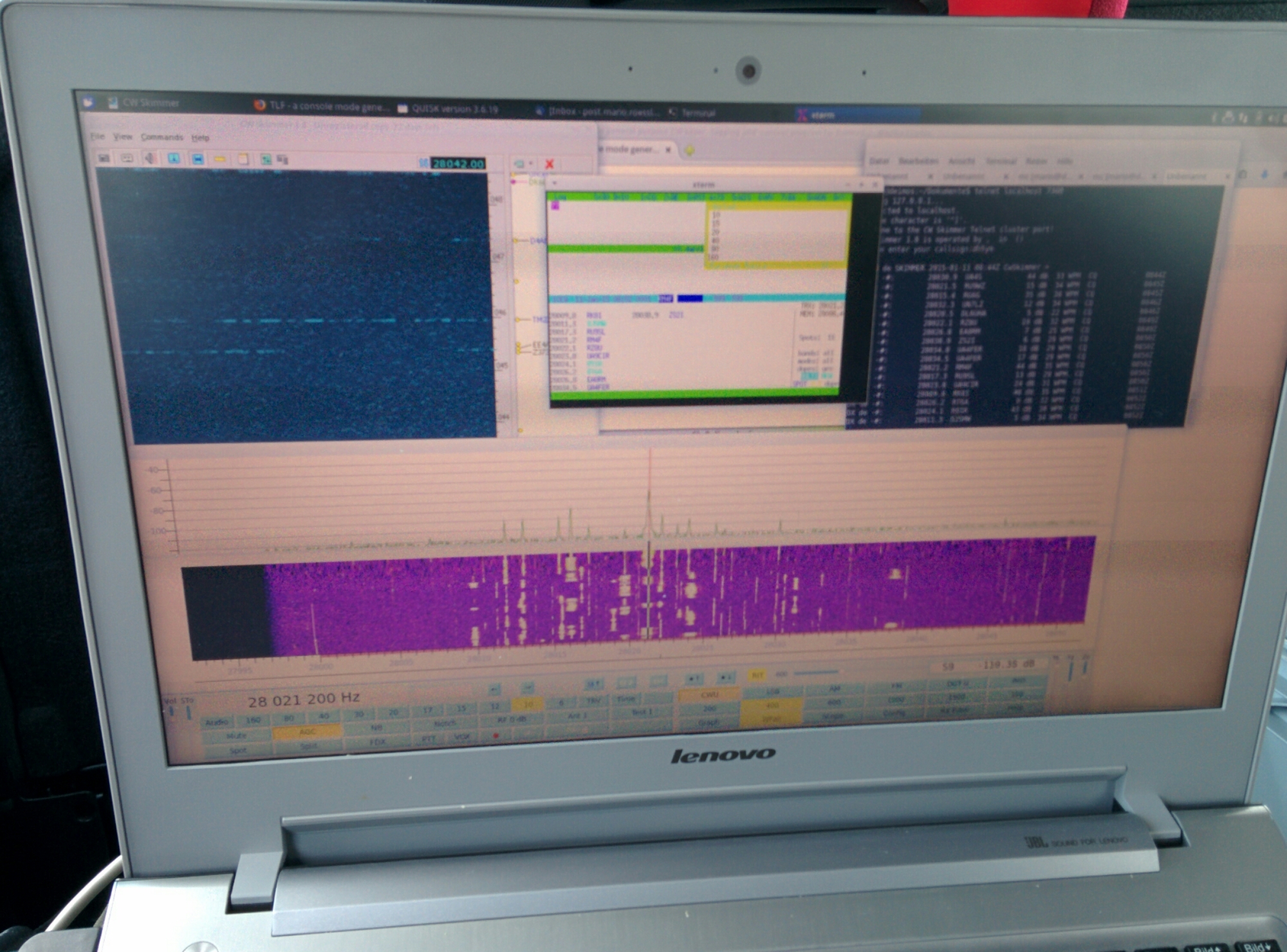
DARC 10m contest from Triebenberg JO61XA.  Rig: Hiqsdr, 100W class C amplifier, 2x deltaloop. Software: Quisk, forwarding 192kHz to CW-Skimmer, TLF filling the bandmap from the CW Skimmer spots and controlling Quisk. CW keying via cwdaemon.

I worked 49 QSO and about 1800 points. Points for improvement:

– change both antennas to horizontal

– use a passive switch for the antennas since the 12v->24v caused interference

– improve the filters for the bandmap (avoid hp stations, highlight multies)

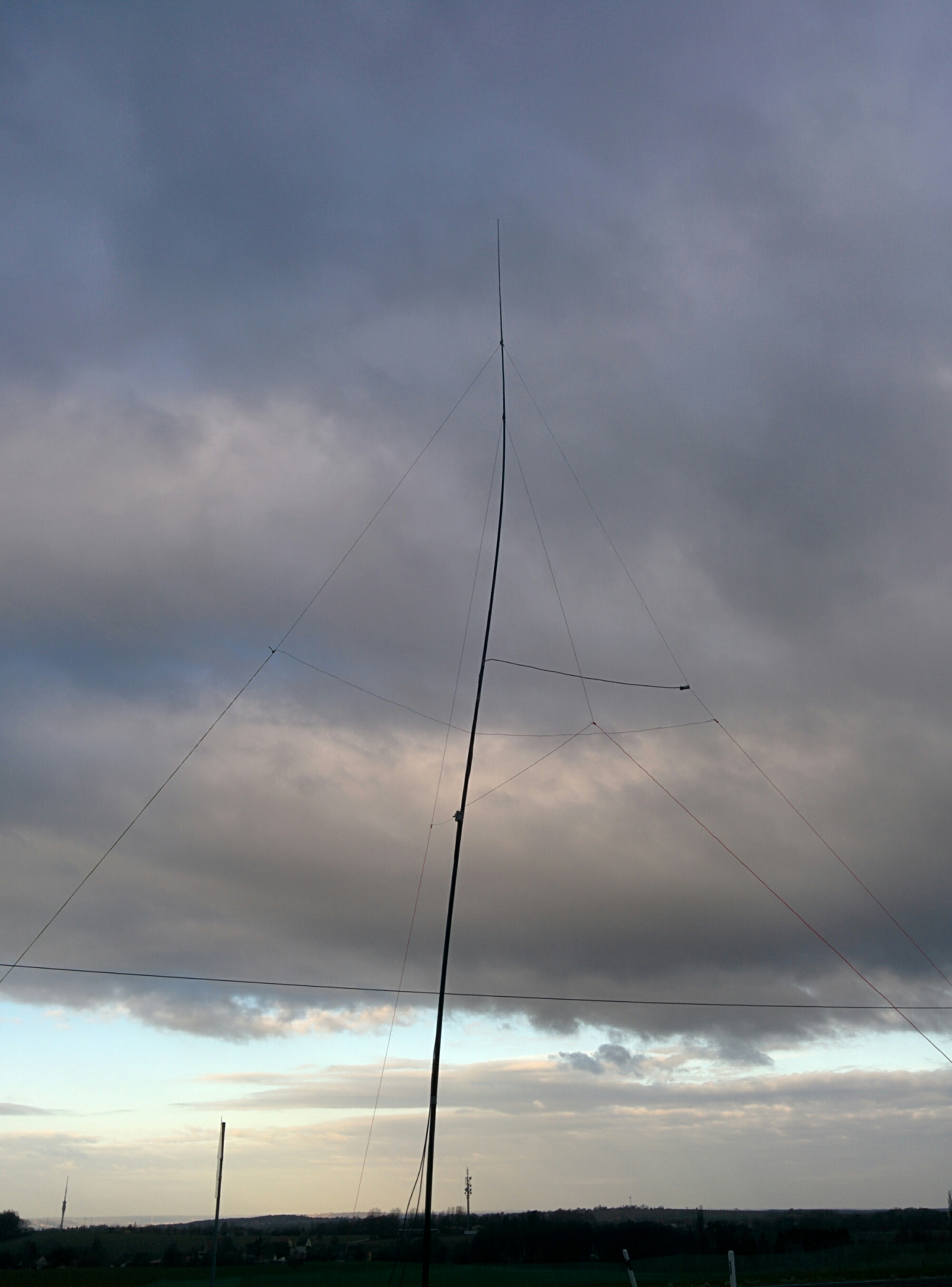
The wheather was quite stormy and i had problems with the fibre mast. Conditions were very good with band wide open.

image

image

image

U02 DDS, by DJ0ABR

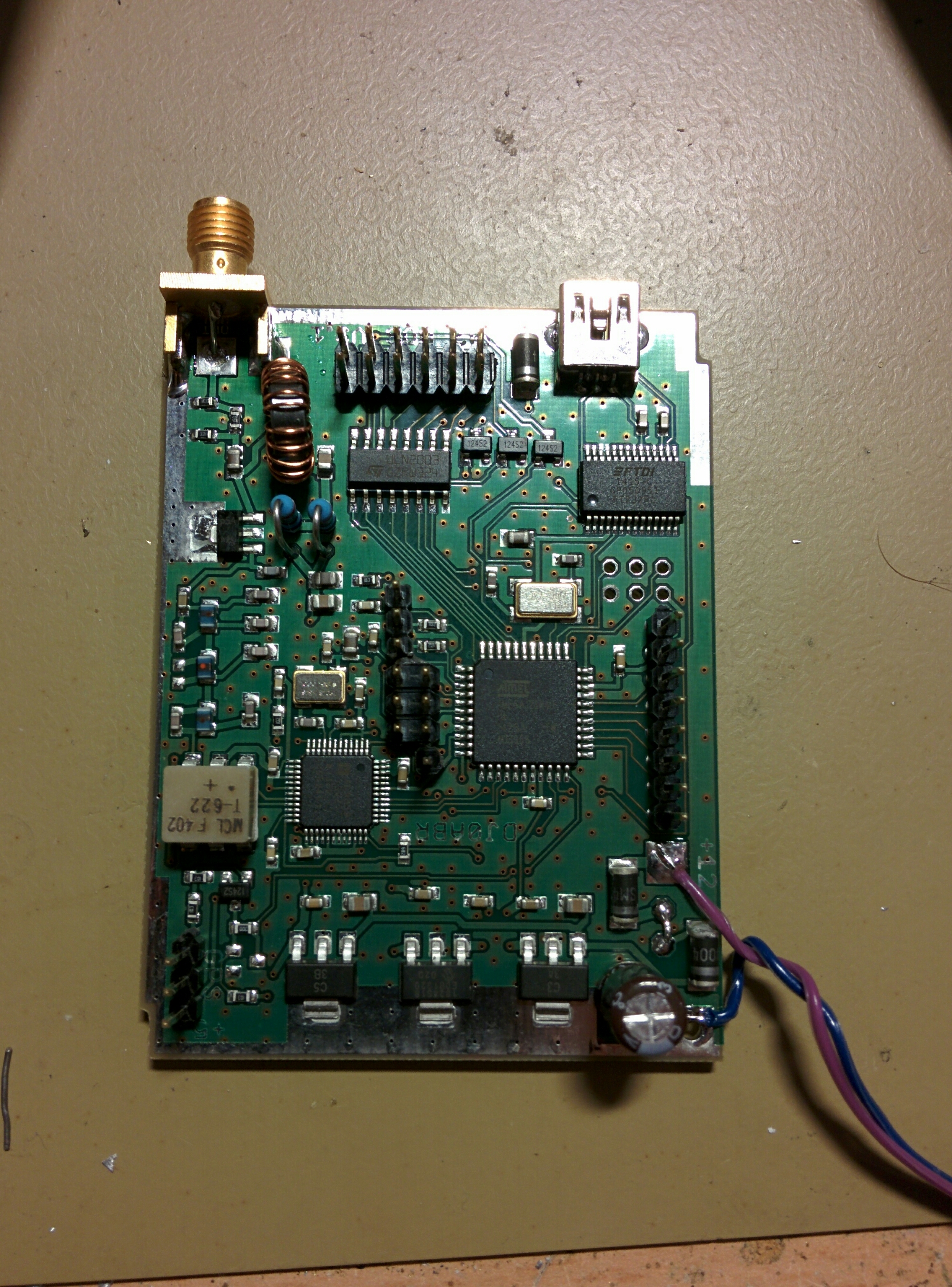
For some tests with WSPR i purchased a DDS PCB from Kurt DJ0ABR. The PCB comes with most parts assembled and you just need to solder  some easy stuff as well as mount it into an enclosure. There is a microcontroller  that interfaces with a PC or  operates the DDS alone. It can be used as synthesizer  for AM FM, as  a wobbler unit as  well as beacon for WSPR, CW and DSTAR. Frequency range is from medium wave to 160MHz.

image

Edit:

Today i added the GPS receiver and connected the DDS to a Outbacker 1899 antenna placed on the heating inside the room. During the sunset some stations received my 50mW signal on 20m.

wsprnet_20m_50mW

wsprnet_20m_50mW

[The list is a screenshot from WSPRNET.org]


Marconi Memorial Contest 2014

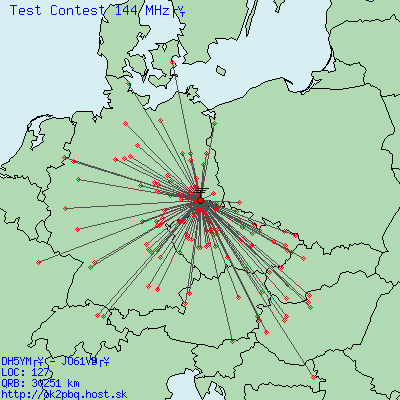
Another contest from my home location in the Elbe valley this year. Again i used the 2m DK7ZB Quadlong antenna. Its doing surprisingly well. But this time i had 200W of output. Direction southeast was pretty good again. Now ODX was 9A4V. Thanks for the good ears down there ! Also other directions (except east) were working okay. That was mainly due to the fact that i used the reversebeacon network to gather spots generated by DJ3AK. Many thanks for that as well. Also DJ5AM (very close to my location) ran a skimmer which generated a few useful spots for me. My original plan was to run my own skimmer but that was not working due to setup issues. But the receiver of DJ3AK was really useful. Getting spot into the log-window, click to the call which tunes the TRX to the frequency and takes the call over. The macro and keyboard keyer functionality did the rest ;) East direction does not work because i am located at the east side of the Elbe valley and the hill is going up too high to get over there.

Marconi_2014_JO61VB

Marconi_2014_JO61VB

The map nicely shows the directions of the valley i can operate through with some exceptions of other stations from different directions.
A nice one was F8KID and HB9FAB, HB9TYU as well as PA4VHF and OZ6OL.

Tiny Sequence control unit (WIP)

image

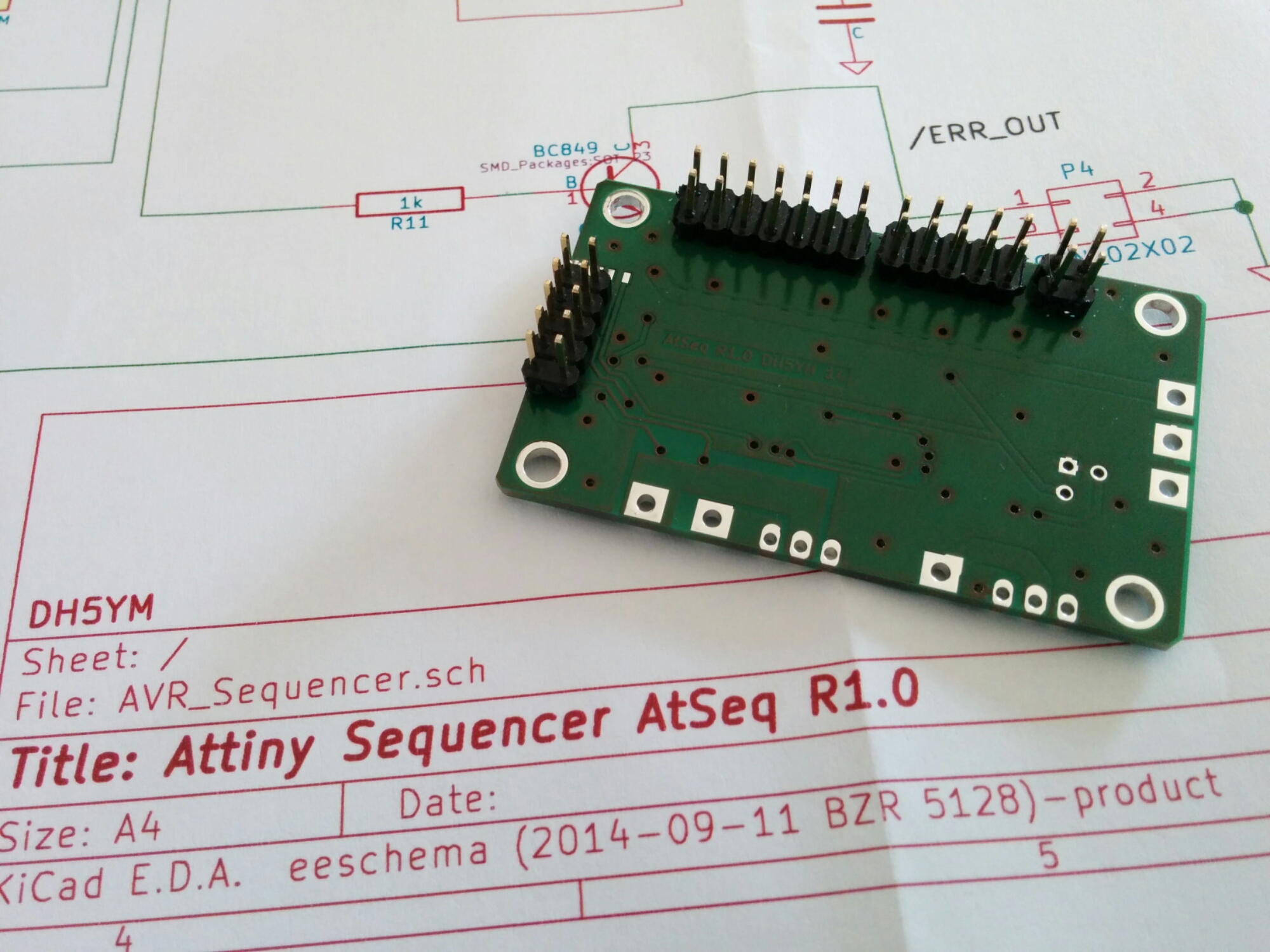
Thats a simple sequence control unit for transverters etc. ON a double layer PCB. The design was eine with the open source tool KiCAD. Its made around a attiny2313 and features a highside switch, a lowside switch as well as a uln2003 driver. In addition further sensors can be connected via I2C or SPI. The software is not finished. More information will follow.

Hex-Quadlong for 70cm

Since i needed a very lightweight antenna for 70cm for my fibre mast i looked at the Quadlong antennas published by DK7ZB. I downloaded 4NEC2 and started playing around. I simply entered the VHF version and scaled it to the available materials and 432.2MHz. To be honest i dont have a lot of knowledge about this simulation tool but the result looked promising. So i added extra segments at the upper and lower end of the antenna and rescaled it to get proper matching again. The result was promising again. >1dB more gain then before. I made the antenna from 4mm brass material for the horizontal elements and 1mm copper antenna wire for the vertical elements.
Some drawings of the VHF version you can find at the webpages of DK7ZB.
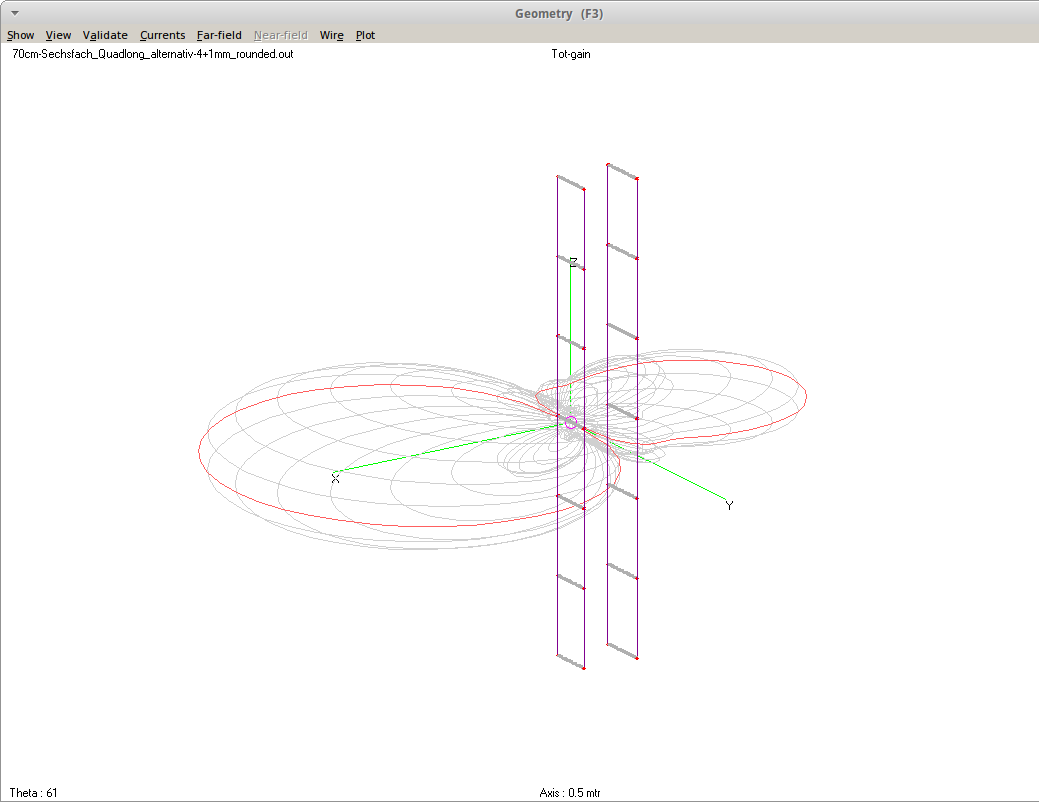
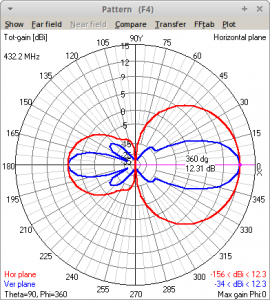
Thats what 4NEC2 shows (ask me if you need the NEC file)
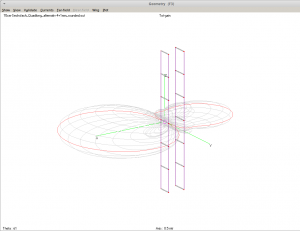
70cm Hex Quadlong drawing
70cm Hex Quadlong drawing

70cm Hex Quados pattern by 4NEC2

70cm Hex Quados pattern by 4NEC2

BTW i dont trust the gain calculations of 4NEC2 at this stage. I did not simulate with another tool. Let me know if you do so. I can provide the NEC file i created. Just drop me a line and i send it to you.

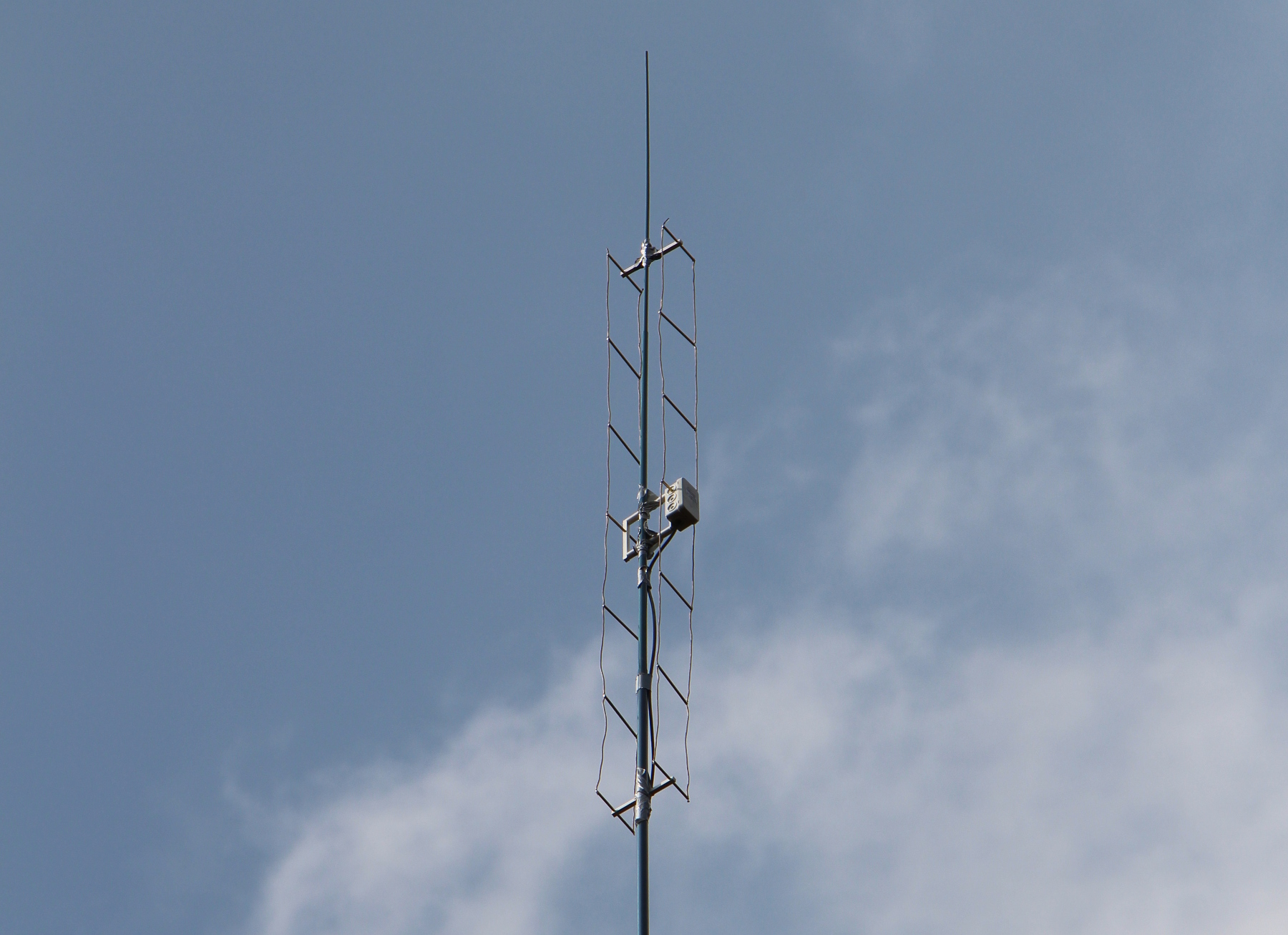
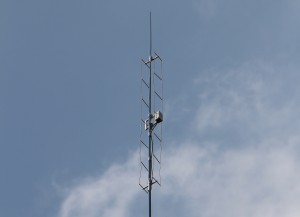
Thats a photo of the antenna as i used it during the UHF contest:
Hex-Quadlong 70cm

Hex-Quadlong 70cm

Since i finshed when the UHF contest was already started Saturday i decided to glue the antenna to the mast by means of tape. VSWR showed not too good result on 432.2MHz. Tuning few MHz forth and back gave the impression that the resonance was too high.
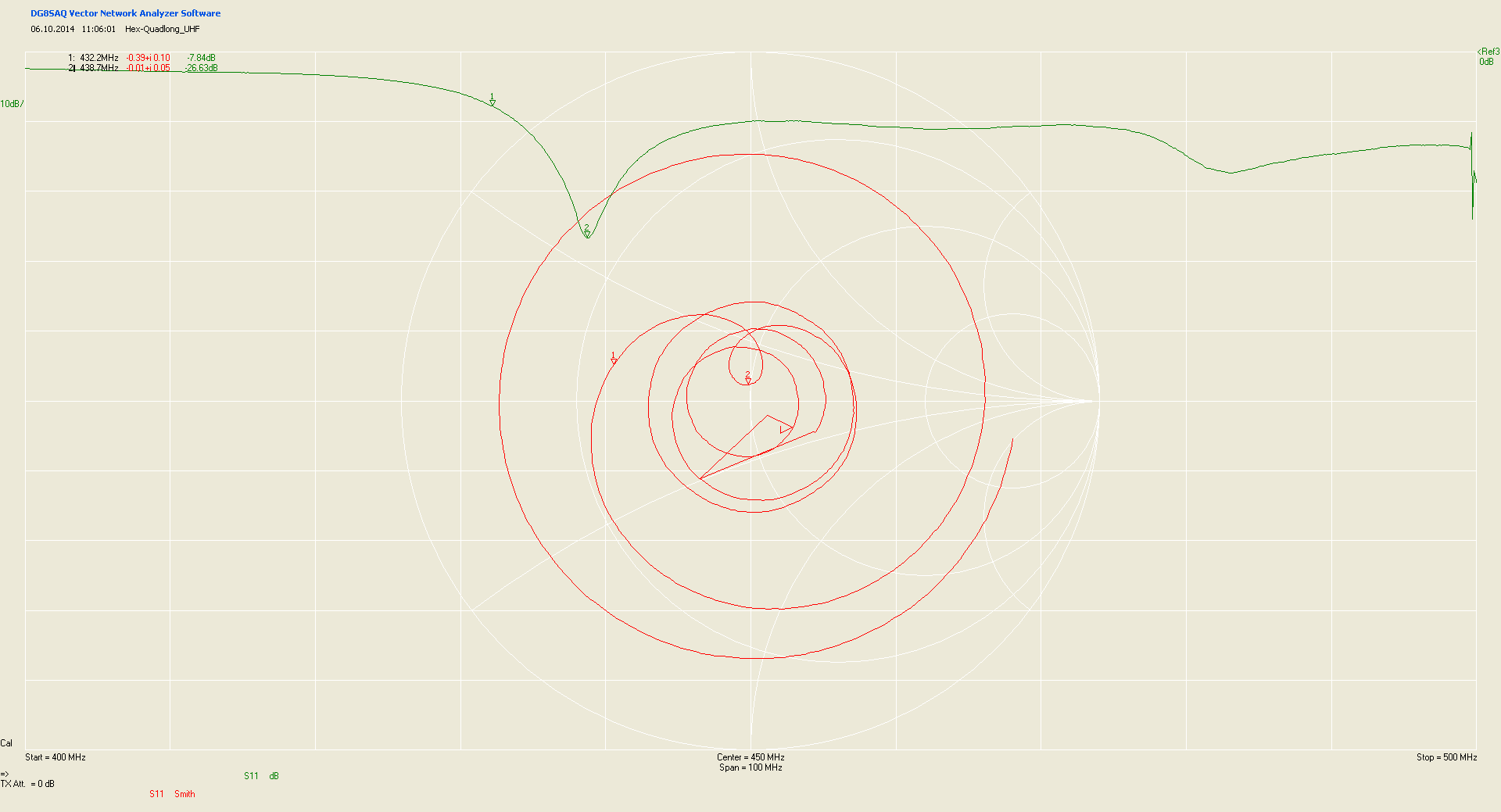
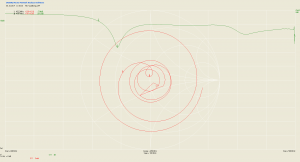
Monday i had a look with the network analyzer. Indeed the resonance is about 6.5MHz too high. Thats how the measurement looked like:
Hex-Quadlong 70cm measurement

Hex-Quadlong 70cm measurement


Maybe i will do a slight rescaling of the vertical elements to shift it a bit down. Also the mounting needs to be improved.
70cm October 14 Reg1

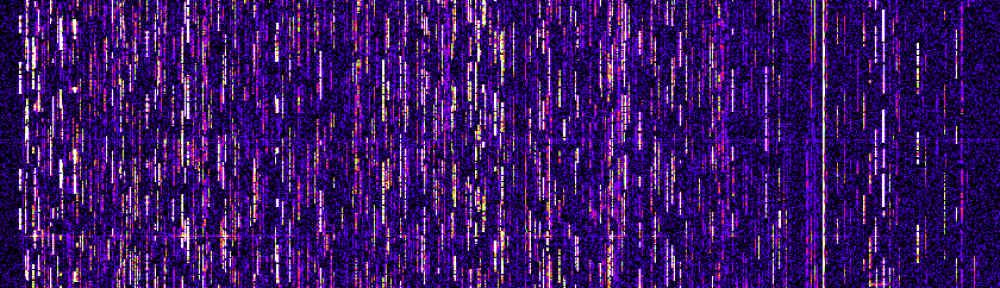
28 QSO with 20W and Hex-Quadlong antenna i built just before. I just wanted to try the antenna. Just few time for operation.

Hex-Quadlong 70cm

Hex-Quadlong 70cm


ODX was HA5KDQ via random. Impressive good ears there ;)
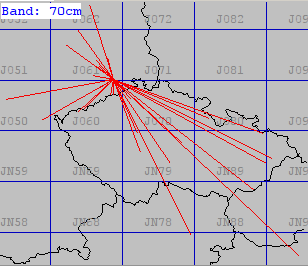
70cm QSO distribution

70cm QSO distribution


Decent results Saturday evening. Better results Sunday because more stations did CW.
The reason for using this antenna is the possibility to mount it at the top of a fibre mast installed at the balcony.